
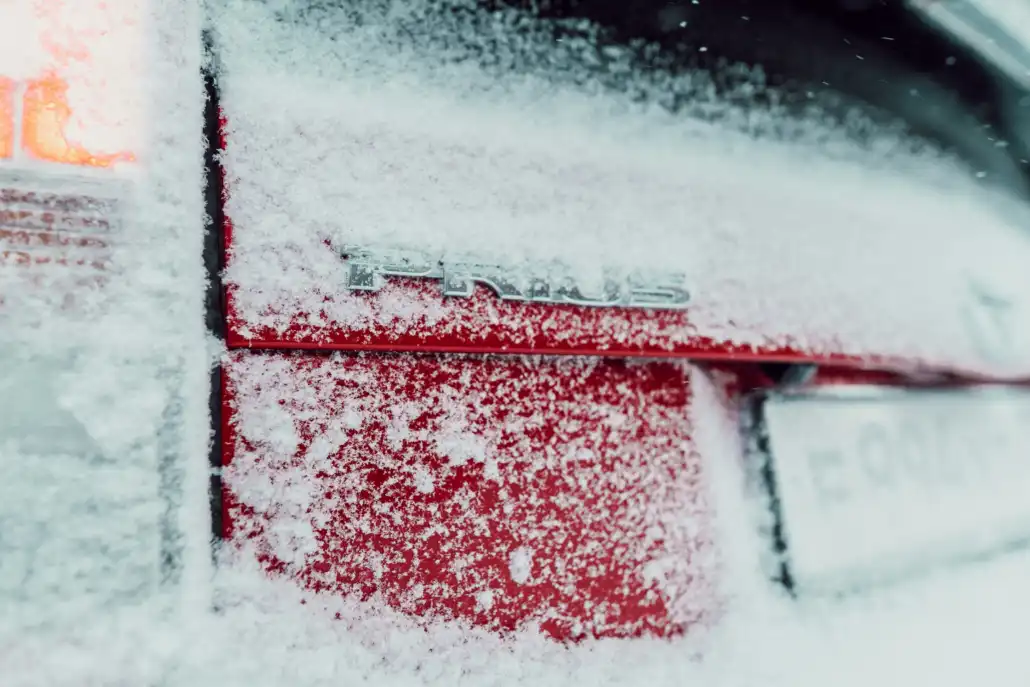
What does winter weather do to your car’s finish?
Winter is hard on automotive finishes. Salt, slush, grit, and freeze–thaw cycles stress clear coat, expose bare metal, and accelerate rust. Here’s what actually happens — and how to protect your vehicle through the season.
Your car’s finish is built to handle everyday conditions, but winter adds a unique mix of moisture, salt, cold temperatures, and abrasive road debris. Together, they stress the clear coat, highlight imperfections, and increase the chance of corrosion — even if you’re not doing anything unusual.
If you live in Canada or the northern U.S., winter temperature swings can be extreme — often rising or falling 30°C (54°F) in a single day. Those rapid shifts turn snow into meltwater and back again, pushing moisture into seams and chips and creating ideal conditions for corrosion and finish degradation.
Below are the four main forces working against your paint once temperatures drop.
Road salt accelerates corrosion
Road salt isn’t harmful until it mixes with moisture.
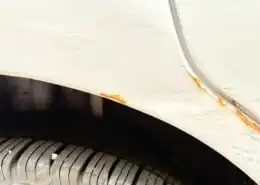
In winter, salty meltwater splashes into chips, sits in seams, and evaporates slowly — giving oxidation more time to begin. This leads to:
- Surface rust forming faster inside chips and scratches
- Corrosion creeping under the clear coat
- Rust stains reappearing even after washing
Salt’s real effect is that it keeps the surface damp, creating the perfect environment for corrosion to start.
Care tip: Rinse the car regularly — especially wheel arches, rocker panels, and lower doors — to remove salt before it dries into seams.
Grit and slush act like sandpaper
Winter roads are covered in:
- Sand
- Plow debris
- Tiny stones
- Fine grit suspended in slush
As this material clings to your paint and gets dragged across the surface while driving, it can create:
- Micro-scratches
- Dulling, especially on darker colors
- A rough texture on lower panels and door edges
Grit + moisture = a constant clear-coat abrasion cycle.
Care tip: Use touchless washes when possible; brushes can drag grit across the surface.
Freeze–thaw cycles stress paint and seams
Rapid temperature swings (common in northern climates) send moisture into chips, scratches, and body seams.
- When water freezes, it expands.
- When the temperature rises, it contracts.
Repeating this cycle hundreds of times each winter slowly weakens the clear coat. This can cause:
- Chips to widen
- Hairline cracks to grow
- Flaking around previously damaged areas
You may not notice the damage immediately — freeze–thaw cycles quietly magnify existing flaws.
Care tip: Seal visible chips early in the season to keep water out.
Snowbanks increase abrasion, moisture exposure — and delamination risk
Driving through snowbanks, deep slush, or hard-packed snow exposes your finish to:
- Hidden grit that scratches the clear coat
- Moisture trapped against panels for hours
- Ice crystals that scrape as they melt or drag off
Lower bumpers, rocker panels, and wheel arches take most of this impact.
Localized Delamination
Packed ice can bond tightly to lower body panels. When it’s kicked off or knocked loose, it can pull up weakened paint, especially around:
- Older chips
- Flaking areas
- Cold-stressed clear coat
Care tip: Whenever possible, let ice melt naturally in a warm garage or enclosed space. Avoid kicking or breaking it off by force.
How to protect your car’s finish all winter
Winter conditions are unavoidable, but a few simple habits can dramatically reduce how much damage your paint takes during the season.
Protective coatings help most.
A high-quality wax or ceramic coating creates a barrier against salt, moisture, and winter debris, helping paint resist staining, dulling, and corrosion.
Wash off road salt regularly.
Even a quick rinse removes salt and brine that accelerate rust inside chips and seams. Focus on lower panels, wheel arches, and the undercarriage.
Keep the car as dry as possible.
Melting snow trapped against panels holds moisture for hours. When possible, park in a covered area so ice and slush can fall away naturally.
Seal exposed chips before winter sets in.
Open chips allow moisture to reach bare metal. Early touch-ups slow rust and reduce freeze–thaw expansion around the damage.
Avoid kicking or breaking off ice buildup.
Packed ice can pull up weakened paint when it breaks free. Let buildup melt naturally whenever possible.
Protect against winter sunlight.
UV exposure still contributes to fading on short winter days. Indoor parking or a UV-resistant sealant helps preserve gloss.
FAQ: Winter weather & paint protection
Wash regularly, remove salt, and apply a protective wax or sealant before the season. Keep lower panels clean and dry when possible.
Repair early to stop rust from spreading. Winter moisture accelerates damage.
Yes. Wet/dry cycling speeds oxidation, even when panels look dry.
Yes — not from the bristles but from grit in the snow dragged across the surface.
Salt becomes corrosive only when wet. Winter slush traps salty moisture against metal, accelerating rust.
Not directly. Cold clear coat becomes more brittle, so chips form faster and look deeper.
Cold sunlight is bluer and lower-angle, making surface flaws more visible.
Related content
- Help Article: Which Sandpaper Grit Should I Use?→
- Help Article: How to Know How Much Aerosol Paint You Need for a Car→
- From the Color Series:
- Series Hub: Why Color Matters: Introducing the ScratchesHappen Color Series – Explore the full Color Series and why color behaves the way it does.
- White Automotive Paint: From Basic Whites to Tri-Coat Finishes→
- Red Automotive Paint: Why Our Brains Notice Red Faster→
- Tool: Scratch Match: A Visual Tool to Help You Choose the Right Repair Kit→



Leave a Reply
Want to join the discussion?Feel free to contribute!